Shaykh Muhammad Nasir al-Din al-Albānī (rahimahullah) mentions that four supplications have been narrated regarding the Qunūt du‘ā: اللهم اهدنا فيمن هديت، وعافنا فيمن عافيت، وتولنا فيمن توليت، وبارك لنا فيما أعطيت، وقنا شر ما قضيت، فإنك تقضي ولا يقضى عليك، وإنه لا يذلّ من واليتَ، ولا يعزّ من عاديت، تباركت ربنا…

Shaykh Muhammad Nasir al-Din al-Albani (rahimahullah): Masjids are the most beloved places to Allāh, the Most High. Allāh, the Wise Legislator, has ordained specific rulings to masjid, categorised into three types: (1) obligatory and recommended acts, (2) forbidden acts, and (3) permissible acts. These acts are as follows: Obligatory and…
Shaykh ‘Abdul-‘Aziz ibn Bāz, the Former Mufti of Saudi Arabia (rahimahullah) said: There are many tremendous benefits and wisdoms in fasting, some of them are: 1) Fasting purifies the soul from bad manners and negative traits such as arrogance, pride, and stinginess, and makes it accustomed to noble manners such…
‘Abdullāh ibn Mas‘ūd (radiyallahu ‘anhu) narrated that Allāh’s Messenger ﷺ said: من سره أن يحب الله ورسوله فليقرأ في المصحف “Whoever wants to love Allāh and His Messenger then let him read from the muṣḥaf.” (al-Sahihah of al-Albani no. 2342) Shaykh ‘Ubayd al-Jābirī (rahimahullah): “If there are maṣāḥif (copies of…
There are many mistakes that Imams fall into during the dua in the Witr Qunut, three of the most common mistakes are: Shaykh al-Islām Ibn Taymiyyah (rahimahullah): “The Prophetic supplications are the best supplications. The person who uses them has taken the safest path and guarantees himself the best results.…
Question: How does the Muslim woman emulate the Muslim women at the time of the Messenger ﷺ in how she spends her Ramadan? Answer by Shaykh Ṣāliḥ al-Fawzān (hafidhahullah): The Muslim woman spends the month of Ramadan like any other Muslim: she believes in Allāh, makes the most of the…
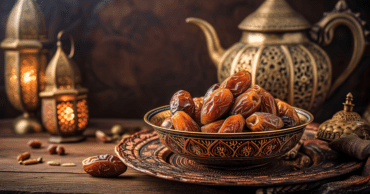
Question: Is it obligatory to break the fast with an odd number of dates? Answer by Shaykh Muḥammad ibn Ṣāliḥ al- ‘Uthaymin (rahimahullah): It is not obligatory, rather not even sunnah for an individual to break their fast with an odd number of dates whether that be three, five, seven…
Question: Jibril would review the Qur’ān during Ramadan with the Prophet ﷺ at night. Do we understand from this that it is better to recite the Qur’ān at night instead of the day? Answer by Shaykh Muḥammad ibn Ṣāliḥ al-‘Uthaymin (rahimahullah): There is no doubt that reciting the Qur’ān at…
Question: The ḥadith, “The thirst has been quenched, the veins have been moistened and the reward has been earned if Allāh wills.” – Is this specific to someone who fasts in the summer, or is it for any person who fasts, even if he does not feel thirsty and his…
Abū Hurayrah (radiyallahu ‘anhu) narrated that Allāh’s Messenger ﷺ said: رُبَّ صَائِمٍ حَظُّهُ مِنْ صِيَامِهِ الْجُوعُ وَالْعَطَشُ، وَرُبَّ قَائِمٍ حَظُّهُ مِنْ قِيَامِهِ السَّهَرُ “Perhaps a fasting person will receive nothing from his fasting except hunger and thirst. Perhaps a person performing the night prayer will receive nothing from his prayer except…