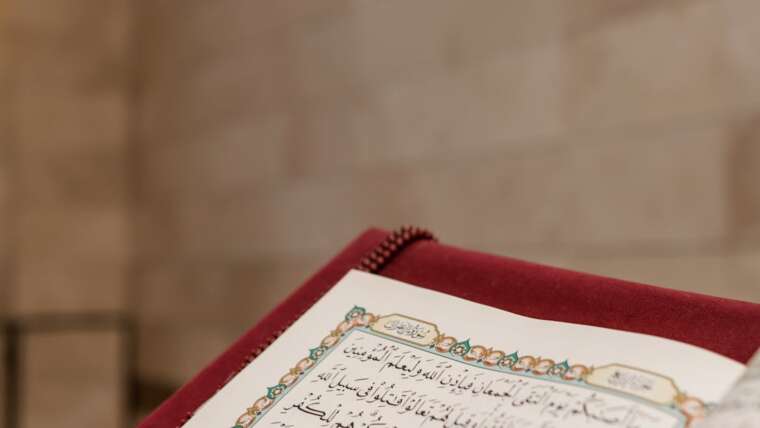
Tafsir of the Verse of Fasting (Al-Baqarah, 2:183)

Fasting has been prescribed for you
A Compilation of Scholarly Exegesis
بِــــــسۡـمِ ٱللَّهِ ٱلرَّحۡــمَٰــنِ ٱلرَّحِــيــمِ
Allah سُبْحَانَهُ وَتَعَالَى said:
﴿يَٰٓأَيُّهَا ٱلَّذِينَ ءَامَنُواْ كُتِبَ عَلَيۡكُمُ ٱلصِّيَامُ كَمَا كُتِبَ عَلَى ٱلَّذِينَ مِن قَبۡلِكُمۡ لَعَلَّكُمۡ تَتَّقُونَ ١٨٣﴾
“O’ you who believe! Fasting has been prescribed for you as it was prescribed for those before you so that you attain piety.”
[Surah al-Baqarah (2:183)]
Explanation
❖ “O’ you who believe!”:
❁ The great Companion, Abdullāh ibn Masʿūd (D. 32AH) رَضِيَ اللهُ عَنْهُ, said:
«إِذَا سَمِعْتَ اللهَ عَزَّ وَجَلَّ يَقُولُ: ﴿يَٰٓأَيُّهَا ٱلَّذِينَ ءَامَنُواْ﴾، فَأَرْعِهَا سَمْعَكَ، فَإِنَّهُ خَيْرٌ يَأْمُرُ بِهِ، أَوْ شَرٌّ يَنْهَى عَنْهُ»
“If you hear Allah, Mighty and Majestic, saying, ‘O’ you who believe’, then listen attentively for it is either something good He is commanding with or something bad He is forbidding from.”1
✽ The Imam, Muḥammad ibn Jarīr al-Ṭabarī (224-310AH) رَحِمَهُ اللهُ, explained:
“This means: O’ you who have believed in Allah and His Messenger, and affirmed them as true and acknowledged [Islam as the true religion].”2
✽ Shaykh Muḥammad ibn Ṣāliḥ al-ʿUthaymīn (1347-1421AH) رَحِمَهُ اللهُ said:
Allah begins with this call to those “who believe” — a description of īmān (faith). This is because the description of īmān encourages its possessor to carry out Allah’s commandments while avoiding His prohibitions. This description of īmān is praiseworthy without a doubt and the believer loves to be described with it whilst they strive to perfect their īmān. So, when Allah سُبْحَانَهُ وَتَعَالَى calls His servants with this praiseworthy, beloved description, it makes acceptance more likely.3
❖ “Fasting has been prescribed for you…”:
✽ Imam al-Baghawī (436-516AH) رَحِمَهُ اللهُ said:
The words الصَّوْمُ (ṣawm) and الصِّيَامُ (ṣiyām) mean ‘to withhold’ (imsāk – الإِمْسَاكُ). It is said: صَامَ النَّهَارُ — “the day withheld” and it is said when the sun stands still, because when the sun reaches the middle of the sky it stops and withholds from movement.
Based on this, we have Allah’s statement:
﴿فَقُولِيٓ إِنِّي نَذَرۡتُ لِلرَّحۡمَٰنِ صَوۡمٗا فَلَنۡ أُكَلِّمَ ٱلۡيَوۡمَ إِنسِيّٗا ٢٦﴾
“Say: I have vowed a fast to the Most Merciful, so I shall not speak to any human being this day.”
[Surah Maryam (19:26)]
Meaning: she would be silent because it is withholding (imsāk – الإِمْسَاكُ) from speech. In the Sharīʿah, fasting is withholding from food, drink, and sexual intercourse, with intention, at a specific time.4
✽ Imam Ibn Kathīr (701-774AH) رَحِمَهُ اللهُ said:
“Allah, the Most High, speaks, addressing the believers of this nation, commanding them to fast. Fasting is to abstain from food, drink and sexual intercourse with a sincere intention for Allah, due to how it purifies, cleanses and refines the soul from corrupt influences and reprehensible traits.”5
✽ Imam ʿAbd al-Raḥmān al-Saʿdī (1307-1376AH) رَحِمَهُ اللهُ said:
“He, the Most High, informs us of the blessing he has given His servants in that He has made fasting obligatory for them.”6
✽ Shaykh Muḥammad ibn Ṣāliḥ al-ʿUthaymīn (1347-1421AH) رَحِمَهُ اللهُ said:
“‘Prescribed’ means ‘obligated’ and the one who obligated it is Allah سُبْحَانَهُ وَتَعَالَى.”
❖ “…as it was prescribed for those before you…”:
✽ Imam al-Baghawī (436-516AH) رَحِمَهُ اللهُ said:
“What is meant is that the fasting of Ramaḍān was obligatory for Christians just as it was made obligatory for us. It would sometimes occur in extreme heat or cold, and it was difficult for them during their travels, subsequently harming them financially. So, their scholars and leaders agreed to move their fasting to a season between winter and summer, and they placed it in the spring. Then, they added 10 days to it as expiation for what they had done, so it became 40 days. Then, one of their kings suffered an illness in his mouth so he vowed to Allah that if he recovered, he would add a week to his fast. He recovered and thus added a week. Then, that king died and the next king told them to complete their fasts as fifty days.”7
Imām al-Baghawī bring a different version from the great Imām, ʿĀmir al-Shaʿbī (20-103AH) رَحِمَهُ اللهُ, who, after the Christians moved their fasting season to spring, said:
“Then, a generation came after them and were cautious [of not fasting the right amount of days] so they added a day before and after. Subsequent generations continued to follow this practice until it reached fifty days.”8
✽ Imam Ibn Kathīr (701-774AH) رَحِمَهُ اللهُ said:
“He mentions that just as He has made it obligatory for them (i.e. this nation), He also made it obligatory for those who came before them so that they have a precedent to follow in it and can strive to fulfill this obligation more completely than those who came before them did.
And it has been narrated that fasting at first was three days from every month, as it was for the nations before us. This remained legislated from the time of Prophet Nūḥ until Allah abrogated it with the fasting of the month of Ramadan.”9
✽ Imam ʿAbd al-Raḥmān al-Saʿdī (1307-1376AH) رَحِمَهُ اللهُ said:
“Because it is one of those laws and commands that serve the best interests of creation in every age. Then, the Most High mentions His wisdom in legislating fasting, saying:”10
❖ “…so that you attain piety.”:
✽ Shaykh al-Islam Ibn Taymiyyah (661-728AH) رَحِمَهُ اللهُ said:
“Fasting was only legislated in order to attain piety.”11
✽ Imam Ibn Kathīr (701-774AH) رَحِمَهُ اللهُ said:
“As fasting purifies the body and narrows the pathways for Shayṭān.”12
✽ Imam ʿAbd al-Raḥmān al-Saʿdī (1307-1376AH) رَحِمَهُ اللهُ said:
“This is because fasting is one of the greatest means of attaining piety because it involves submitting to Allah’s command and avoiding His prohibition.”13
✽ Shaykh Muḥammad ibn Ṣāliḥ al-ʿUthaymīn (1347-1421AH) رَحِمَهُ اللهُ said:
“The phrase, ‘so that you’, here, gives the reason for fasting. There’s a clarification in it of the wisdom behind the obligation of fasting and it is so that you attain piety towards Allah. This is the Sharīʿah wisdom behind the act of worship fasting. As for other than that, such as physical or social benefits, then these are secondary.”14
❖ Benefits of the Verse
✽ Shaykh Muḥammad ibn Ṣāliḥ al-ʿUthaymīn (1347-1421AH) رَحِمَهُ اللهُ said:
From the benefits of the verse:
- The importance of fasting because Allah, the Most High, introduced it with a call [to the believers – ﴾يَٰٓأَيُّهَا ٱلَّذِينَ ءَامَنُواْ﴿], and that it is from the requirements of faith—because Allah directed the address to the believers—and that abandoning it is a deficiency in one’s faith.
- The obligation of fasting as Allah said: “prescribed“:
﴾كُتِبَ﴿ - Fasting was prescribed for the nations before us as Allah said: “as it was prescribed for those before you“:
﴾كَمَا كُتِبَ عَلَى ٱلَّذِينَ مِن قَبۡلِكُمۡ﴿ - Consoling a person with what was also obligated for others so that fulfilling it becomes easier for them.
- This Ummah’s completion of the virtues of those who came before them since Allah’s prescribed for them what He prescribed for those before them so that they may rise to the level of perfection just as those before them rose.
- The wisdom behind making fasting obligatory, and it is to attain piety towards Allah, based on His Statement: “so that you attain piety“:
﴾لَعَلَّكُمۡ تَتَّقُونَ﴿ - The virtue of piety and that one should pursue means that lead to it because Allah made fasting obligatory for this purpose. This is a tremendous purpose and what indicates its significance is it is the advice of Allah to the earlier and later nations, based on His Statement (Sūrah al-Nisāʾ, 4:131):
- ﴿وَلَقَدۡ وَصَّيۡنَا ٱلَّذِينَ أُوتُواْ ٱلۡكِتَٰبَ مِن قَبۡلِكُمۡ وَإِيَّاكُمۡ أَنِ ٱتَّقُواْ ٱللَّهَۚ﴾
- “Verily, we have recommended to the people of the Scripture before you and to you that you have piety towards Allah.“
- A side point branches off from this benefit and it is the consideration of ‘means’ (الذَّرَائِعُ). Whatever serves as a means to something takes the same ruling as that thing. So, since piety is obligatory, the means that lead to it are obligatory. For this reason, a person must distance himself from places of temptation (fitnah); he must not look at a non-maḥram woman, nor speak to her with speech he enjoys with her because it leads to fitnah and becomes a means to immorality (الفَاحِشَةُ). As a result, avoiding that is obligatory. The Prophet صَلَّى اللهُ عَلَيْهِ وَسَلَّمَ even commanded whoever hears of the Dajjāl to distance himself from him so that he does not fall into Dajjāl’s fitnah15.
- The wisdom of Allah سُبْحَانَهُ وَتَعَالَى in varying acts of worship because when we reflect on the acts of worship, we find that they are diverse: some are purely financial; some are purely physical; some are a combination of both; and some involve restraint in order to fully test the one who is responsible for his actions. This is because physical acts are easy for some people but spending wealth is hard for them while there are those who are the opposite. There are also those who find giving up what they love easy but they find it difficult to stop pursuing what they love, while there are those who are the opposite16.
With this, Allah سُبْحَانَهُ وَتَعَالَى in His wisdom, diversified the acts of worship. Fasting is restraint from pursuing what one loves and, for some people, it may be harder than giving up what they love.
Among the strange things of our time is that some people are patient while fasting and they venerate it yet they are not patient upon the prayer nor do they hold the same kind of veneration in their hearts for it as they do with fasting. You find such a person fasting Ramadan but he does not pray except from one Ramadan to the next, if he even prays in Ramadan at all. This is, no doubt, an error in thinking. However, since prayer is repeated every day, abandoning it becomes easy for such a person, whereas abandoning fasting feels difficult for him. This is why when some people want to criticism someone they will say, “He doesn’t fast or pray”, and they begin with fasting.17
- Ibn al-Mubārak, al-Zuhd (37); Aḥmad, al-Zuhd (866); and others ↩︎
- Al-Ṭabarī, Jāmiʿ al-Bayān ʿan Taʾwīl al-Qurʾān: al-Baqarah (2:183) ↩︎
- Ibn ʿUthaymīn, Liqāʾāt al-Bāb al-Maftūh (50) ↩︎
- Al-Baghawī, Maʿālim al-Tanzīl: al-Baqarah (2:183) ↩︎
- Ibn Kathīr, Tafsīr al-Qurʾān al-Karīm: al-Baqarah (2:183) ↩︎
- Al-Saʿdī, Taysīr al-Karīm al-Raḥmān fī Tafsīr Kalām al-Mannān: al-Baqarah (2:183) ↩︎
- Tafsīr al-Baghawī: al-Baqarah (2:183) ↩︎
- Tafsīr al-Baghawī: al-Baqarah (2:183) ↩︎
- Tafsīr Ibn Kathīr: al-Baqarah (2:183) ↩︎
- Tafsīr al-Saʿdī: al-Baqarah (2:183) ↩︎
- Minhāj al-Sunnah (5/196) ↩︎
- Tafsīr Ibn Kathīr: al-Baqarah (2:183) ↩︎
- Tafsīr al-Saʿdī: al-Baqarah (2:183) ↩︎
- Tafsīr Ibn ʿUthaymīn: al-Baqarah (2:183) ↩︎
- Sunan Abū Dāwūd (4319) and graded ṣaḥīḥ by al-Albānī ↩︎
- The first is like a person who finds it easy to give charity but hard to stop pursuing the worldly life. The second is like a person who finds it difficult to give charity but easy to not pursue worldly life. The ideal situation is someone who finds it easy to give charity whilst also resisting the worldly life. ↩︎
- Tafsīr Ibn ʿUthaymīn (3/318-319), adapted ↩︎